
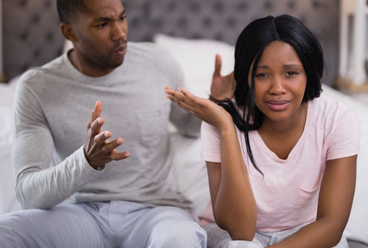
Why Women Become Addicted to Toxic Love
Break the Cycle: Why You’re Addicted to Toxic Love. Love addiction forms when emotional needs go unmet early in life. Many women grew up in environments where affection was inconsistent, approval was conditional, or emotional safety was unpredictable. Their nervous system learned to chase love instead of receiving it. Toxic partners activate the same emotional rollercoaster — inconsistency, tension, highs and lows — creating a cycle that feels familiar, even comforting. The chaos becomes home.
Women addicted to toxic love often attach deeply because their inner child still longs for someone to stay, choose them, or finally give the love they never received. These relationships fuel the illusion that “if I love hard enough, he’ll change” — but in reality, the woman is trying to heal her own wound through the relationship. She becomes emotionally hooked not to the man, but to the fantasy of healing through him.
Over time, women mistake emotional intensity for intimacy. They believe passion must be dramatic, overwhelming, or unstable. They hold onto men who give crumbs because their nervous system is used to surviving on scraps. They confuse fear of losing him with genuine love. And they cling harder when he pulls away, believing their value is tied to being chosen. This cycle keeps them addicted, even when the relationship is destroying them.

Signs You’re Addicted to Toxic Love
Women addicted to toxic love show clear emotional patterns. They overinvest quickly, attaching to potential rather than reality. They ignore their intuition, rationalizing disrespect or inconsistency. They feel anxious when he doesn’t text back, interpreting silence as rejection. They feel relieved when he returns, confusing emotional withdrawal with romantic longing. They try to “fix” him, believing their love can heal his wounds.
Women addicted to toxic love often blame themselves for the relationship’s problems. They become hyper-focused on keeping the peace, avoiding arguments, and preventing abandonment. They accept less and give more. They apologize when they’re not wrong. They minimize red flags. They stay in emotional limbo because leaving feels like losing a piece of themselves.
This addiction is also physical. Their body reacts when they feel disconnected — tight chest, knots in the stomach, obsessive thoughts, trouble sleeping. They replay conversations, stalk social media, compare themselves to other women, and cling harder to avoid being replaced. These symptoms are not love — they are withdrawal.

Why You’re Addicted to Emotional Validation
Emotional validation becomes a powerful drug for women who grew up starved of it. When a toxic partner gives even the smallest amount of affection, their brain releases dopamine, creating a high. When he pulls away, the withdrawal is painful, driving them to chase the next emotional hit. This cycle creates a deep psychological dependency.
Women addicted to validation often fear abandonment more than mistreatment. They internalize rejection as proof they’re not enough. They cling to men who offer sporadic attention because inconsistent affection mirrors their childhood emotional environment. Toxic partners know how to apply just enough charm, attention, or sweetness to reset the cycle. This creates a push-pull dynamic that keeps women emotionally dependent and unable to walk away.
Validation addiction convinces women that their worth comes from a man’s desire, approval, or effort. Healing this requires learning to self-validate — to feel whole without external reassurance.
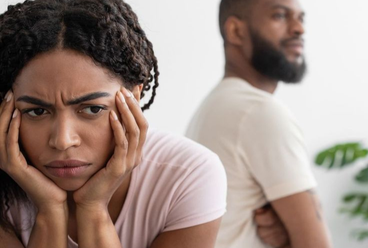
How to Heal When You’re Addicted to Toxic Love
Healing begins with awareness. Women must acknowledge the emotional void they are trying to fill through toxic relationships. They must recognize that attachment wounds are driving their choices, not compatibility. Healing requires separating the fantasy from the truth. Instead of focusing on who he could become, women must accept who he consistently is.
Setting boundaries is essential. This means limiting contact, stopping the chase, and not negotiating your worth. Women must also learn emotional detachment — observing their feelings without acting on them. This interrupts the addiction cycle. Healing also requires reconnecting to intuition, rebuilding identity, and cultivating self-worth outside of relationships.
Therapeutic support helps women understand trauma bonds, attachment styles, and emotional triggers. Somatic (body-based) healing releases the patterns stored in the nervous system. Journaling brings clarity. Meditation restores emotional grounding. Over time, the nervous system learns stability — and toxic love loses its power.

The Spiritual Side of Being Addicted to Toxic Love
Love addiction is not only emotional — it is spiritual. Toxic relationships disconnect women from intuition, inner voice, and divine feminine energy. They become so focused on a man’s approval that they lose connection to their own spirit. Healing restores that relationship with self.
Spiritually, toxic love serves as a mirror. It exposes wounds, triggers, and patterns that require healing. When women stop abandoning themselves for love, they elevate into alignment. They begin choosing peace over chaos, intuition over insecurity, and self-worth over desperation. Their spirit becomes louder than their wound.
Every boundary is spiritual protection. Every moment of clarity is spiritual awakening. Healing toxic love addiction is not just emotional work — it is soul work.

Case Study: Breaking Free from Toxic Attachment
Maya spent years in a cycle of toxic love. Her partner was inconsistent but charming. He gave just enough to keep her hoping for more. She blamed herself for the distance and worked harder each time he pulled away. When she finally realized her “love” was actually an addiction to validation, everything changed. She stopped initiating contact. She stopped explaining her worth. She stopped saving him from his own chaos.
At first, the silence was unbearable. Her body felt like it was withdrawing from a drug. But as weeks passed, she regained emotional clarity. Her anxiety decreased. Her intuition returned. She felt powerful for the first time in years. Healing didn’t make her cold — it made her whole.
This shift didn’t just change her relationship — it changed her life.

Practical Tools for Healing Toxic Love Addiction
Journaling Prompts:
• What childhood wounds show up in my relationships?
• When do I feel most “addicted” to him?
• What am I afraid will happen if I let go?
• What parts of myself have I abandoned?
Affirmations:
• “I choose peace, not chaos.”
• “I release the need to be chosen by someone who is hurting me.”
• “Love should not require losing myself.”
• “I deserve emotional stability and reciprocity.”
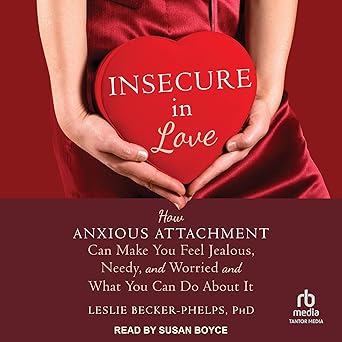


New Spiritual + Emotional Healing Resources
Insecure in Love” by Leslie Becker-Phelps – Healing anxious and avoidant attachment wounds. The Wisdom of a Broken Heart” by Susan Piver – Spiritual insight into heartbreak as transformation. Untamed” by Glennon Doyle – Reclaiming identity and self-trust after self-abandonment.
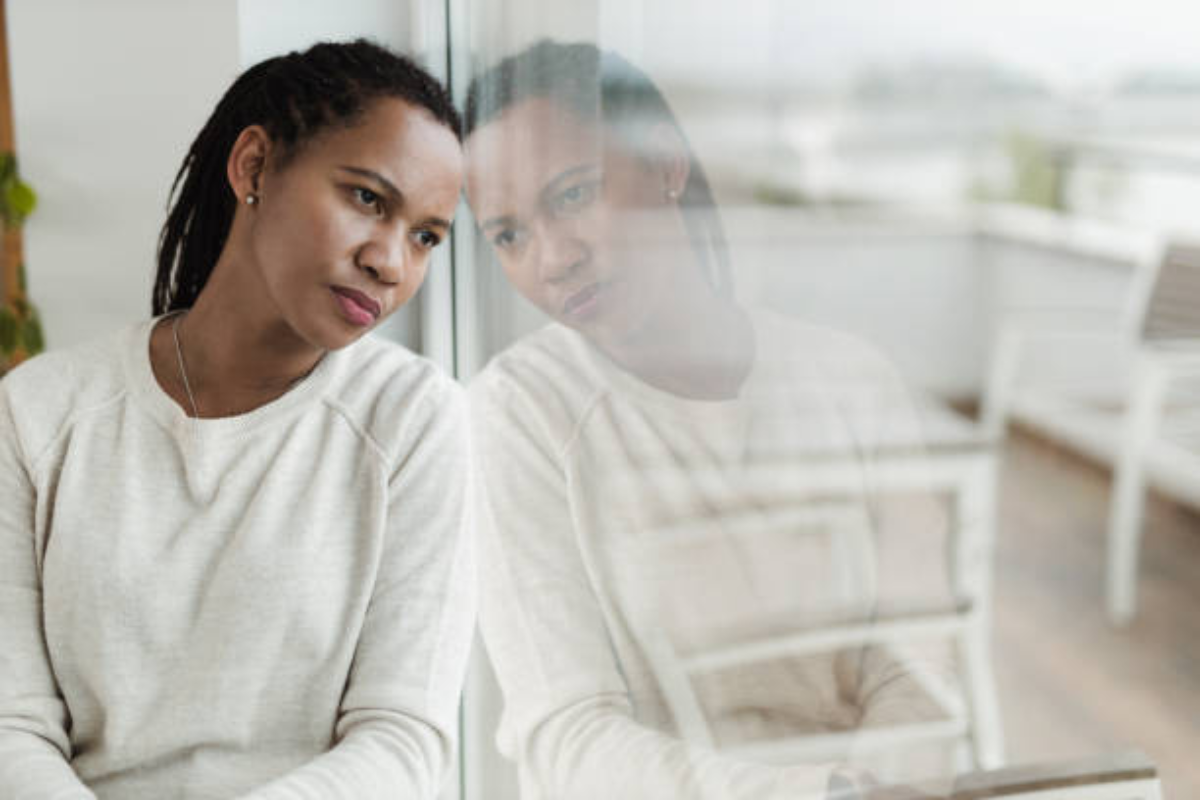
Integrating Healing Into Daily Life
Healing is not a one-time decision — it’s a daily practice. Women must pause before reacting, honor boundaries, protect their energy, limit access to toxic partners, and shift attention back to themselves. Rebuilding identity means rediscovering passions, desires, and routines that do not revolve around a relationship.
Every time a woman chooses herself over an emotional trigger, she breaks the addiction. Every moment of clarity strengthens her intuition. Every boundary weakens the toxic bond. Healing becomes a lifestyle — not a phase.
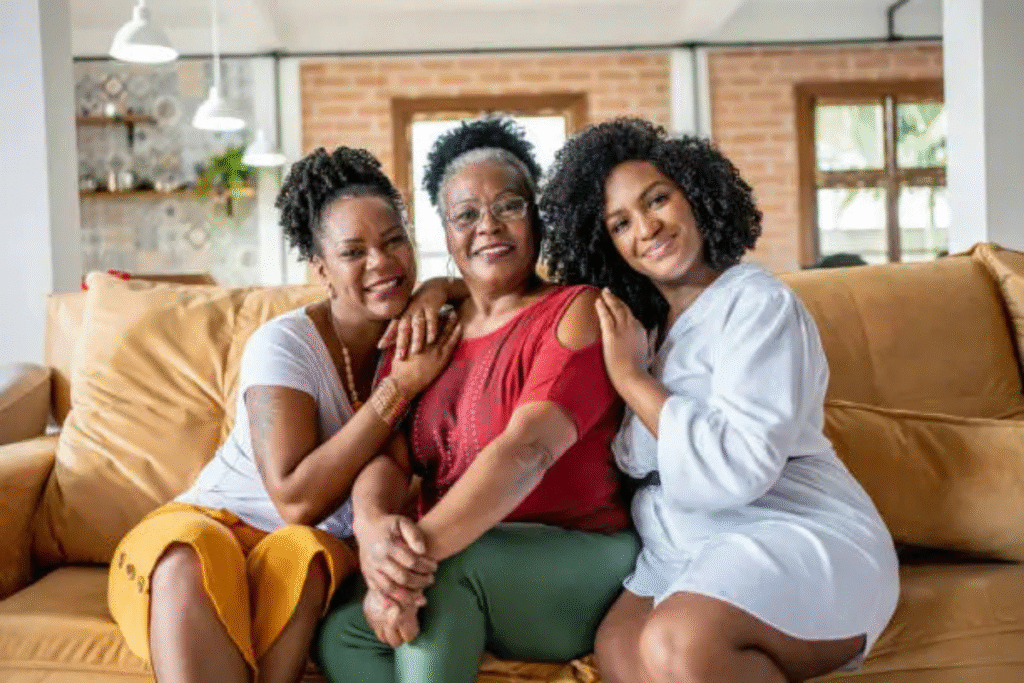
Generational Healing Through Toxic Love Recovery
Breaking this addiction heals more than the woman — it heals her lineage. When she stops chasing emotionally unavailable partners, she breaks the cycle that trapped the women before her. She becomes the example younger women desperately need. She models self-worth, emotional intelligence, and boundaries. Her healing becomes generational liberation.
Conclusion: Healing Toxic Love Addiction Leads to Emotional Freedom
Being addicted to toxic love is not a failure — it’s a signal that deeper healing is needed. Women break the cycle when they choose themselves, reconnect with intuition, and reclaim emotional independence. The moment a woman realizes she can give herself the love she’s been begging for, she becomes unstoppable.
Love should not cost you your sanity, your identity, or your spirit. Let this be the moment you choose freedom.
Call to Action
If this spoke to you, share it with another woman ready to break her cycle. Stay connected with itsmindym.com for real conversations, real healing, and emotional transformation.