
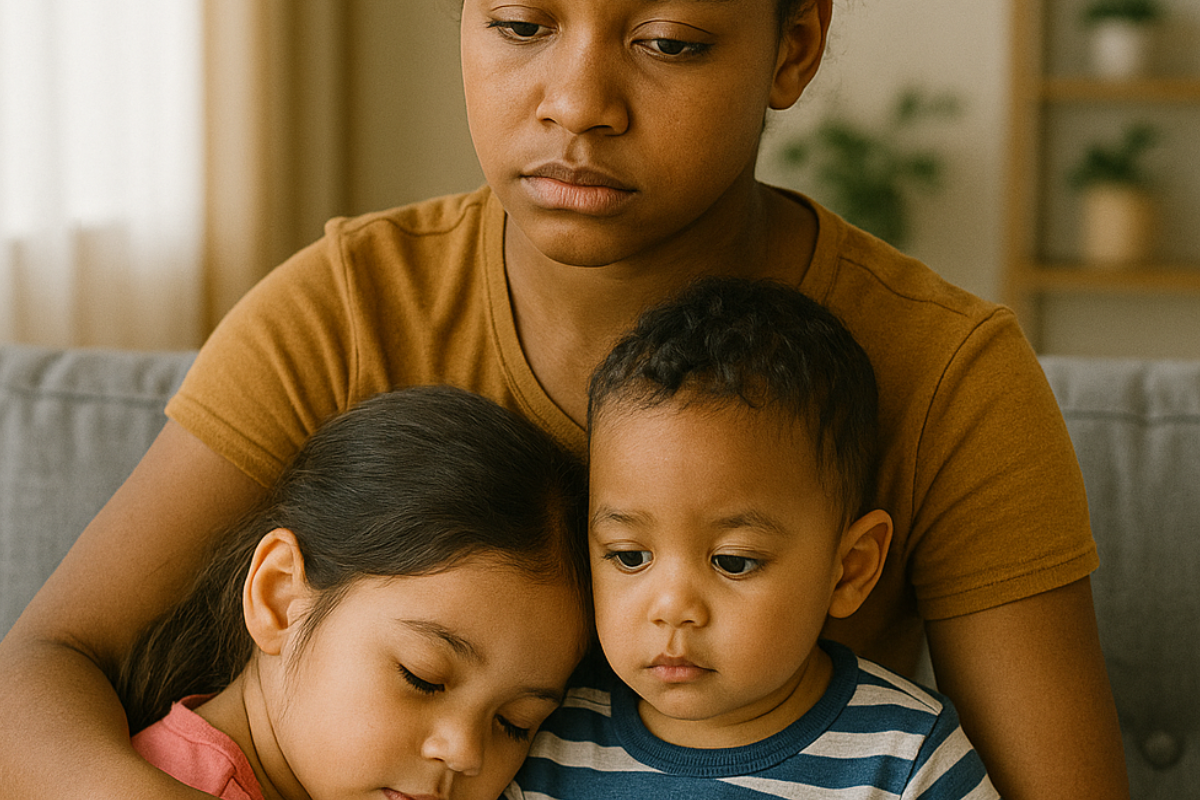
Caretaker Syndrome: Heal the Pattern and Reclaim Your Life. Caretaker Syndrome: the silent cycle that teaches women to give until they collapse. In countless households, women are trained from childhood to anticipate everyone else’s needs before their own. They learn to prevent conflict before it starts, carry the emotional load of the family, and over-function to keep peace. What begins as “being helpful” becomes a lifelong role of over-responsibility, self-neglect, and emotional depletion. Love turns into labor. Strength turns into sacrifice. And survival becomes the default mode.
But there is a cost. When a woman absorbs everyone else’s pain, she loses herself. When she carries burdens that were never hers, her spirit dims. When she becomes everyone’s healer, fixer, and anchor, she forgets she is human too. Caretaker Syndrome is not a badge of honor — it is a form of self-abandonment that drains your life force.
The truth is simple: caring for others should not cost you your peace. Supporting others should not require losing yourself. And helping is not the same as sacrificing your well-being.
Caretaker Syndrome is not strength — it’s conditioning. Healing it is not selfish — it’s liberation. When women break this cycle, they step out of survival mode and into self-alignment. They move from depletion to restoration, from obligation to choice, and from burnout to personal power.
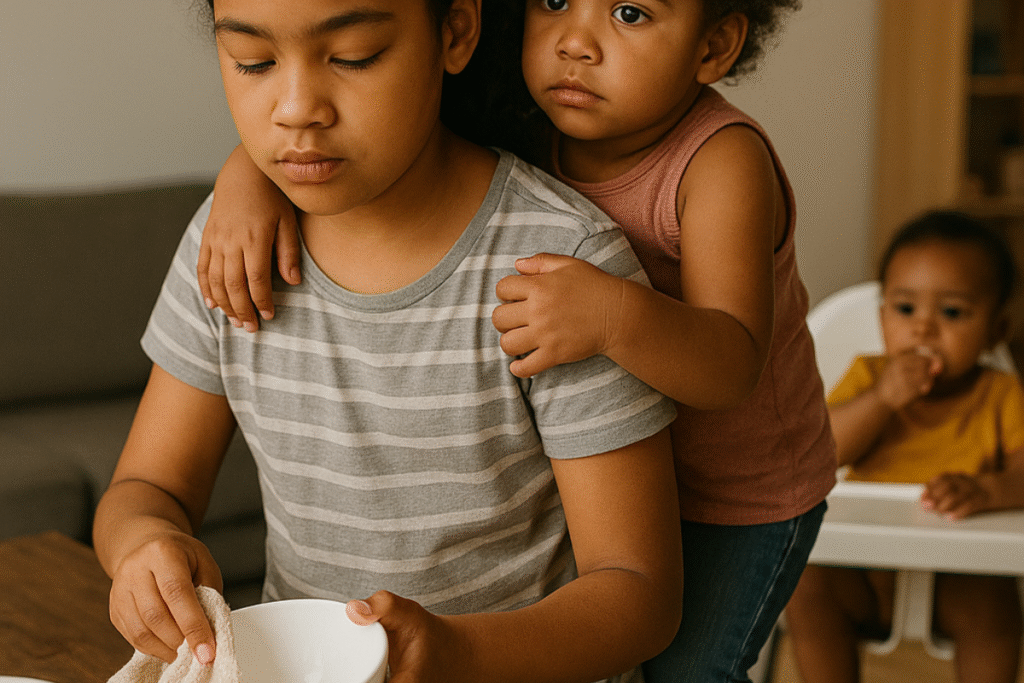
Caretaker Syndrome: Know the Signs and Break the Cycle
Caretaker Syndrome forms when women are conditioned to take on emotional, mental, and physical responsibilities that do not belong to them. Instead of focusing on personal needs, goals, and emotional health, they become deeply invested in managing the well-being of others. This pattern begins early. Young girls are often taught to be helpful, nurturing, responsible, and strong—no matter the cost to themselves.
As a result, they grow into women who shoulder burdens meant for entire families. They fix problems, absorb emotions, offer constant support, and prioritize everyone else, leaving little room for rest or individuality. Over time, this emotional overload leads to resentment, exhaustion, and a loss of identity.
Caretaker Syndrome is not love, loyalty, or strength; it is a learned survival role that drains women of their emotional capacity. Healing this pattern allows women to restore balance, protect their peace, and reclaim ownership of their lives and identity.

Why Caretaker Syndrome Is Important to Address
1. Caretaker Syndrome Drains Your Energy
Women stuck in Caretaker Syndrome often operate on empty because they continuously give without receiving support in return. They become the go-to person for emotional comfort, crisis management, and problem-solving. While being dependable seems admirable, it leads to exhaustion when the responsibility becomes one-sided.
Over time, this cycle creates emotional burnout, irritability, mental fatigue, and a sense of being overwhelmed. Women who experience this often feel they are carrying the weight of everyone’s world while ignoring their own needs. Rest feels uncomfortable, and guilt replaces peace anytime they try to prioritize themselves.
2. Caretaker Syndrome Confuses Your Identity
Many women affected by Caretaker Syndrome tie their self-worth to their usefulness. They feel valuable only when they are helping, fixing, or supporting others. This leads to an identity built around being needed rather than being fulfilled.
When women constantly give without taking time to understand themselves, they lose connection to their personal goals, desires, and emotions. Over time, they may struggle to identify what they enjoy, what they want, or who they are outside of responsibilities. This confusion makes boundaries difficult because they fear losing purpose or disappointing others.
3. Caretaker Syndrome Creates Unhealthy Relationship Dynamics
Caretakers often take on more emotional labor than they should. They over-function in relationships while others under-function. This creates imbalance, resentment, and emotional exhaustion.
When one person constantly gives while the other constantly receives, the relationship becomes dependent instead of mutually supportive. This dynamic leads to frustration when caretakers feel unappreciated or unsupported. Instead of healthy connection, the relationship becomes transactional—one person gives while the other takes.
4. Caretaker Syndrome Repeats Generational Patterns
Many women inherit caretaker roles from mothers and grandmothers who were expected to sacrifice themselves for the family. In previous generations, women were praised for putting others first, even at the expense of their own health. The message was clear: rest is lazy, saying no is disrespectful, and asking for help is unacceptable.
These beliefs pass down silently through behaviors and expectations. Young girls watch the women around them give until they have nothing left. Breaking this cycle requires acknowledging that emotional sacrifice is not love. Healing Caretaker Syndrome becomes generational liberation.
5. Caretaker Syndrome Weakens Emotional and Feminine Power
Caretaker Syndrome forces women into constant action, pressure, and responsibility. This suppresses emotional clarity, intuition, balance, and natural feminine flow. Instead of operating from a grounded place, women operate from obligation and depletion.
Healing Caretaker Syndrome restores the ability to rest, reconnect to intuition, and step back into emotional power. When women stop carrying what is not theirs, they create space for peace, self-awareness, and fulfillment.

Cultural Challenges in Caretaker Syndrome
Women face unique pressures within families and communities that make Caretaker Syndrome difficult to break. “Family over everything” becomes an expectation that women must prioritize family needs above their own. Loyalty becomes an excuse for overworking and exhaustion.
The “strong one” role pressures women to hold everything together, even when they are struggling. Asking for help is viewed as weakness. Setting limits is criticized as selfishness.
Fear of judgment is also a challenge. Women who say no or set boundaries are labeled difficult, rude, or ungrateful. This fear keeps them in roles that drain them. Unspoken emotional labor—managing feelings, preventing conflict, and maintaining harmony—falls heavily on women.
Systemic overperformance plays a role as well. Many women feel the need to prove themselves in work, family, and relationships. This pressure pushes them to overextend and adopt caretaker roles even when the cost is emotional burnout.
Common Barriers to Healing Caretaker Syndrome
Women attempting to break free face several internal challenges. Guilt appears when they prioritize themselves because they were conditioned to believe self-care is selfish. They fear disappointing others or losing approval.
Anxiety around saying no is another barrier, especially when they associate self-worth with helpfulness. Many caretakers struggle with people-pleasing patterns and difficulty identifying limits. Without examples of balanced emotional behavior growing up, it becomes difficult to understand what healthy self-care looks like.
These barriers make the shift uncomfortable, but they are normal parts of the healing process.
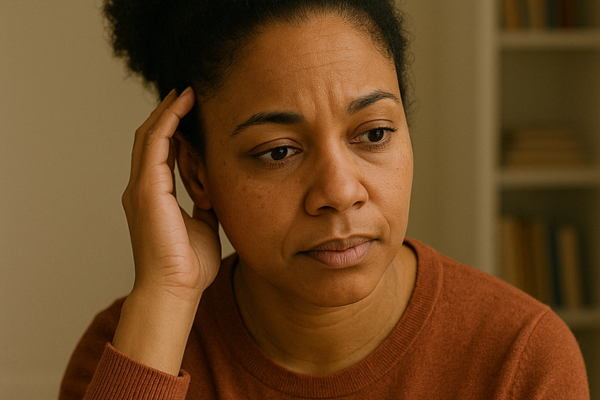
How to Heal Caretaker Syndrome
Healing begins with acknowledging the pattern. Women must recognize when they automatically take responsibility for other people’s emotions, decisions, or problems. Awareness reveals emotional overload.
Next, identify personal limitations. Exhaustion signals where boundaries must be reinforced. Communication is essential. Limits must be stated clearly: “I can’t take that on right now,” “I’m unavailable,” or “I trust you to handle that.” These statements shift responsibility back to where it belongs.
Another important step is allowing others to manage their own emotional weight. Caretakers often step in out of habit or fear. Allowing others to solve their own problems promotes accountability and reduces unnecessary pressure.
Creating space for oneself is also crucial. This includes protecting rest, using downtime intentionally, and prioritizing personal needs consistently. Healing Caretaker Syndrome is not about becoming unhelpful; it is about creating emotional balance.
As women heal, their boundaries and expectations shift naturally.
The Spiritual Side of Caretaker Syndrome
Caretaker Syndrome is emotional and spiritual. When women abandon their needs for others, they disconnect from intuition and inner guidance. Healing reconnects them to their true selves. Every boundary strengthens intuition. Every release of responsibility restores emotional balance.
Healing Caretaker Syndrome shifts women from survival mode to spiritual alignment. It brings clarity, inner strength, and peace.
Case Study: From Overgiver to Balanced
Keisha, was known as the dependable one. She handled every crisis, gave emotional support to everyone, and managed responsibilities that were not hers. Over time, she became exhausted and resentful.
After learning about Caretaker Syndrome, she made one small change: she stopped answering phone calls after 8 PM. Her family complained, but she stayed consistent. Within weeks, she slept better, felt calmer, and regained emotional clarity.
Healing Caretaker Syndrome didn’t distance her from loved ones—it restored her to herself.

Practical Tools for Healing Caretaker Syndrome
Journaling Prompts
• Where do I feel emotionally drained?
• What responsibilities do I carry that are not mine?
• What emotions arise when I think about saying no?
• What would my ideal balanced day look like?
Affirmations
• “My needs matter.”
• “Rest is necessary.”
• “I release what is not mine to carry.”
• “I deserve emotional balance.”
Therapeutic support from culturally aware professionals—such as Therapy for Black Girls or Inclusive Therapists—helps with deeper healing. An accountability partner reinforces new boundaries and healthy habits.
Recommended Books & Resources
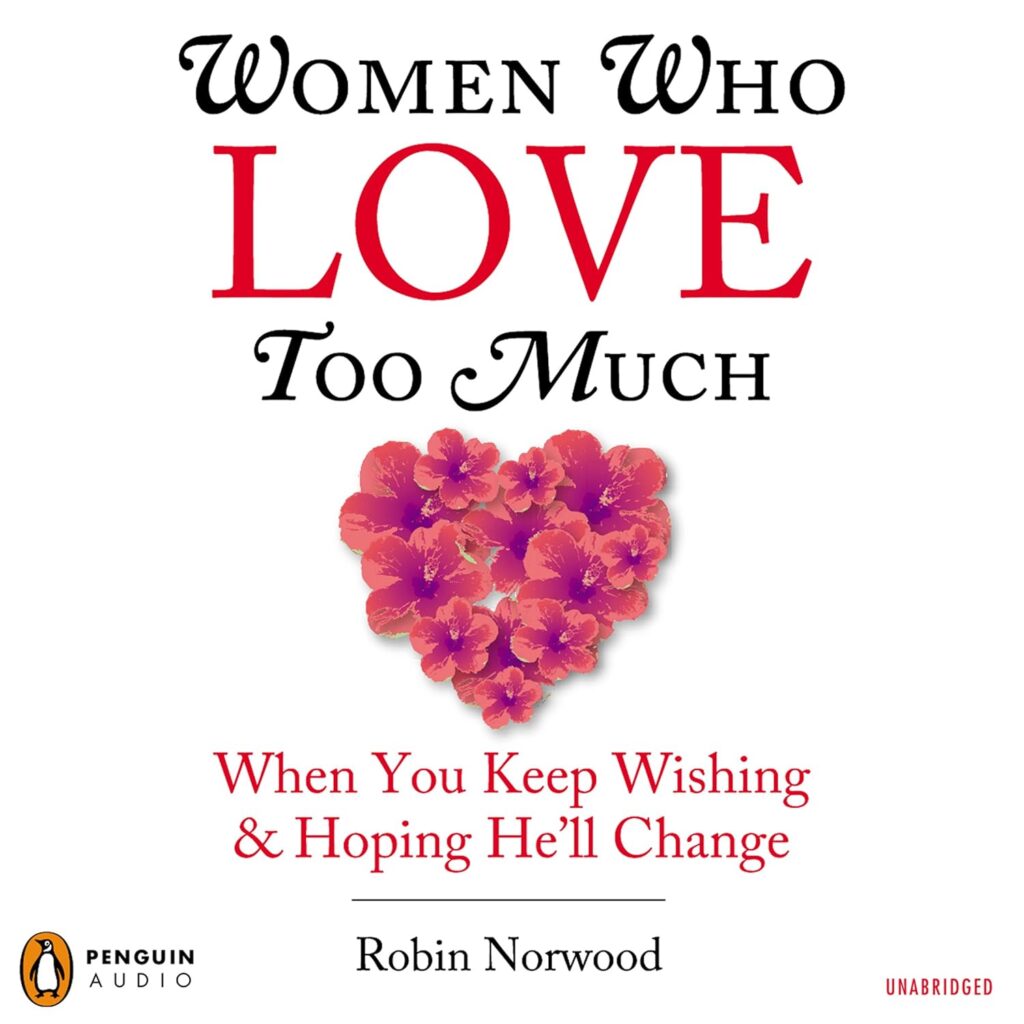
Helpful resources include Set Boundaries, Find Peace by Nedra Glover Tawwab, The Strong Black Woman by Marita Golden, Women Who Love Too Much by Robin Norwood, Codependent No More by Melody Beattie, and The Body Keeps the Score by Bessel van der Kolk.


Integrating Caretaker Syndrome Healing Into Daily Life
Healing becomes easier through consistent practice. Pause before offering help. Ask whether the responsibility belongs to you. Protect your morning routine and rest. Stop accepting emotional labor you did not agree to. Allow others to handle their own problems. Celebrate moments when you choose balance instead of sacrifice.
Generational Healing Through Caretaker Syndrome

Breaking Caretaker Syndrome heals emotional patterns passed down through generations. By choosing emotional balance, you rewrite your family’s narrative. You model a healthier example for daughters, nieces, and future generations who will learn that self-care and balance are essential—not selfish.
Conclusion: Healing Caretaker Syndrome Leads to Personal Freedom
Caretaker Syndrome is not love; it is survival mode. Healing helps women reclaim emotional health, restore balance, and reconnect with their true selves. Every time you choose yourself, you correct what generations before you could not. Choosing yourself is not selfish. It is necessary. It is freedom.
Call to Action
If this spoke to you, share it with another woman ready to break the cycle. Stay connected with Itsmindym.com for real guidance, real healing, and conversations that support emotional growth.