The Recurring Cycle: Why Men Pull Away
The Ultimate Guide to Why Men Keep Leaving. You start noticing the pattern because it happens in reverse. Then one day, the energy shifts. The texts become shorter. Plans feel less certain. The emotional investment that once felt mutual suddenly feels one-sided.
This isn’t about one bad relationship—it’s about recognizing when the same dynamic repeats itself across different people. Research shows that women typically serve as emotional barometers in relationships, often noticing relationship problems before men consciously acknowledge them. Yet paradoxically, when men pull away, it’s rarely spontaneous. The withdrawal follows a specific sequence.
The cycle typically unfolds in three stages. First comes the pressure phase—when expectations shift from organic connection to relationship milestones. Second is the emotional overload—where previously comfortable intimacy suddenly feels suffocating rather than safe. Third is the gradual retreat—not always dramatic, but unmistakable in its consistency.
Studies indicate men actually need romantic relationships more than women do, deriving significant emotional and physical health benefits from partnership. This makes the withdrawal pattern even more confusing. If connection matters this much, why would someone deliberately destroy it?
The answer isn’t found in what happened—but in what’s happening beneath the surface.
Hidden Toxic Patterns: Uncovering the Root Causes

What actually drives men away isn’t always obvious in the moment. The surface reasons—”needs space,” “not ready,” “different paths”—obscure deeper patterns that repeat across relationships. These toxic relationship patterns operate beneath conscious awareness, creating predictable outcomes that feel unpredictable.
The first pattern involves emotional responsibility imbalance. When one partner becomes the designated emotional processor for both people, the dynamic shifts from partnership to caretaking. He stops bringing problems to the relationship because they’re met with solutions instead of listening. Over time, this creates emotional distance disguised as independence.
A second pattern centers on pursuit dynamics. What starts as reciprocal interest can transform into unbalanced chasing. When reassurance becomes a daily requirement rather than occasional need, men often interpret this as fundamental doubt about their worth in the relationship. Research shows that men’s relationship satisfaction directly correlates with feeling accepted and valued as they are.
The third pattern is subtle but devastating: making the relationship itself the project. When conversations consistently focus on “where this is going” rather than experiencing where it is, presence gets replaced by planning. Connection becomes a negotiation rather than something experienced naturally, and men begin to feel like they’re being evaluated rather than enjoyed.
The Anxious-Avoidant Trap

The pattern runs deeper than individual personalities. What often unfolds is a classic attachment dynamic that neither person recognizes until it’s too late. One partner seeks reassurance through closeness—asking questions, initiating conversations, wanting to define the relationship. The other responds to this intensity by creating distance, needing time alone, pulling back emotionally.
This creates a self-reinforcing cycle. The more one pursues, the more the other retreats. The more one retreats, the more anxious the other becomes. Neither is “wrong,” but the interaction becomes toxic.
Research on relationship dynamics shows that men often develop what’s called an avoidant attachment style through early experiences that taught them self-reliance. When faced with emotional intensity, they instinctively create space. Meanwhile, their partner interprets this space as rejection, which triggers more seeking behavior.
The trap isn’t about individual flaws—it’s about incompatible coping mechanisms colliding.
Breaking this cycle requires recognition first. If every relationship ends with him withdrawing from your attempts at closeness, the dynamic itself may be the problem, not the specific person. Understanding this pattern shifts the focus from “why does this keep happening to me?” to “what interaction am I unconsciously recreating?”
Emotional Neglect: The Silent Relationship Killer

What often goes unnoticed is the slow erosion of emotional connection. Not the dramatic fights or obvious betrayals—those make themselves known. The real damage comes from what’s missing: the daily emotional maintenance that keeps a relationship alive.
Men need more from romantic relationships than many realize. Research shows that men depend on their romantic partners as their primary source of emotional support—often their only consistent source. When that support disappears through distraction, dismissal, or emotional unavailability, the foundation crumbles.
The pattern looks subtle at first. Conversations become transactional. Emotional check-ins stop happening. When he shares something meaningful, it gets minimized or redirected. Small disappointments accumulate without acknowledgment. Over time, he stops reaching out because the responses feel hollow.
These aren’t dramatic relationship red flags that announce themselves. They’re quiet absences. The lack of curiosity about his inner world. The absence of appreciation for everyday efforts. The missing validation when he’s vulnerable. Each instance seems minor, but together they communicate something devastating: his emotional reality doesn’t matter here.
By the time he pulls away, the damage is done. He’s not leaving because of one incident. He’s leaving because consistent emotional neglect has taught him that staying means accepting a version of himself that’s perpetually unseen.
The Importance of Communication: Avoiding Misunderstandings

The pattern often begins with a fundamental communication breakdown that neither partner recognizes as such. What appears to be emotional withdrawal frequently stems from unspoken expectations and misaligned assumptions about relationship progression.
Research reveals something counterintuitive: while women typically serve as relationship barometers, men often struggle to articulate their emotional needs until after they’ve already decided to leave. Women and Men are the Barometers of Relationships shows that by the time a man appears distant, he’s often been processing unresolved concerns for months.
The most common question—”why men pull away”—typically has an answer rooted in communication gaps rather than lost interest. He stops initiating conversations not because he’s checked out, but because he doesn’t know how to express what’s missing without creating conflict. She interprets silence as withdrawal, which increases emotional intensity. He experiences that intensity as pressure, which increases withdrawal.
The trap is self-reinforcing. One partner seeks connection through conversation. The other processes internally before speaking. Neither approach is wrong, but without explicit understanding of each other’s communication styles, the gap widens into emotional distance.
What breaks the cycle? Direct questions about specific needs, asked without accusation. Not “Why are you being distant?” but “What would make you feel more connected right now?” The shift from interrogation to genuine curiosity changes everything.
Self-Reflection: Identifying Personal Patterns

The hardest truth to confront is this: when the same ending keeps appearing, you become the common denominator. Not because you’re fundamentally flawed, but because unexamined patterns operate beneath conscious awareness, shaping every interaction without your knowledge. Pattern recognition starts with honest inventory.
According to research on mate selection, people often pursue relationship goals that conflict with their stated desires—seeking security while dating unpredictable partners, wanting emotional intimacy while maintaining rigid boundaries. This cognitive dissonance creates repetitive outcomes that feel inexplicable.
The most revealing question isn’t “Why do men always leave?” but rather “What do my relationships have in common before they end?” The answer typically reveals behavioral patterns that push connection away: testing loyalty through manufactured conflict, withdrawing affection when feeling vulnerable, or demanding constant reassurance that exhausts emotional goodwill. These patterns don’t make you unlovable—they make you human. But left unaddressed, they’ll continue producing the same results with different people.
Example Scenarios: Real-Life Patterns and Solutions

Understanding patterns abstractly helps, but recognizing them in real situations creates lasting change. These scenarios reflect common relationship dynamics where small, unnoticed behaviors compound into dealbreakers.
The Emotional Auditor: Sarah ended every date with an emotional debrief—analyzing his tone, questioning his level of enthusiasm, requiring reassurance about his feelings. What felt like healthy communication to her registered as constant evaluation to him. The emotional connection fades when someone feels perpetually tested rather than accepted. The solution involves trusting actions over time rather than demanding verbal proof in every interaction.
The Future Forecaster: Within three months, Jennifer discussed timelines for engagement, children, and where they’d eventually live. Her certainty about the future overshadowed presence in the relationship’s current state. Men often need space to develop feelings organically without feeling pressured into predetermined outcomes. The alternative? Express values and goals without imposing rigid schedules.
The Comparison Trap: Maria frequently referenced her ex’s qualities—sometimes favorably, sometimes critically—creating an invisible third presence in the relationship. Whether positive or negative, these comparisons signal emotional unavailability. Moving forward means treating each relationship as its own story, not a referendum on previous ones.
The pattern shift comes from recognizing these behaviors as they happen, not months after the relationship ends.
Limitations and Considerations

This framework for recognizing relationship patterns carries inherent limitations. Not every relationship ending indicates a toxic pattern on anyone’s part. Sometimes incompatibility is genuine—different life goals, mismatched communication styles, or timing that simply doesn’t align. External stressors like career changes, family crises, or mental health challenges can derail even healthy connections.
The analysis becomes particularly complex when considering why men stay toxic relationships—a phenomenon that highlights how gender dynamics complicate pattern recognition. Research shows that men’s emotional investment in romantic relationships often differs from women’s, making their departure signals less straightforward to interpret. Some men withdraw not because of their partner’s behavior but due to their own unresolved issues, cultural conditioning around emotional expression, or relationship inexperience.
Another critical consideration: this perspective risks placing disproportionate responsibility on one person for relational outcomes. Relationships involve two people, each bringing their own patterns, traumas, and limitations. While self-reflection proves valuable, it shouldn’t become self-blame. The goal isn’t perfection—it’s awareness paired with willingness to adjust when patterns emerge consistently across multiple relationships with different partners.
Frequently Asked Questions
Why do relationship patterns repeat even with different partners?
Patterns persist because emotional responses and behaviors operate below conscious awareness. When relationship patterns repeat, the common denominator isn’t the men—it’s the relational dynamic you unconsciously recreate. Unresolved attachment patterns, communication styles learned in childhood, and emotional regulation strategies all travel with you into each new relationship. The cycle continues until you recognize these underlying patterns and actively choose different responses.
How can I tell if I’m causing the problem or if I’m just meeting the wrong people?
Both factors often coexist. While some individuals genuinely aren’t compatible, a consistent ending pattern across multiple relationships suggests your contribution deserves examination. Notice what remains constant: your reactions during conflict, your expectations about emotional availability, or how you respond to vulnerability. The goal isn’t self-blame but self-awareness—understanding your role creates the power to change outcomes.
Can these patterns be changed, or am I stuck repeating them?
Patterns can absolutely change with awareness and intentional practice. Research shows that relationship dynamics shift when individuals develop greater emotional awareness and communication skills. Change requires identifying specific behaviors, understanding their origins, and practicing alternative responses consistently. Professional support often accelerates this process significantly.
Key Takeaways
Recognizing toxic relationship signs doesn’t mean blaming yourself—it means understanding patterns that create distance in relationships. When multiple relationships end similarly, the common thread often involves emotional dynamics that make partners feel unsafe, controlled, or emotionally depleted rather than supported.
The essential insights:
- Emotional safety matters more than passion. Men stay when they feel accepted without constant criticism or emotional volatility, not when they feel perpetually scrutinized.
- Independence strengthens connection. Relationships thrive when both people maintain individual identities rather than merging into complete dependency.
- Communication patterns predict outcomes. Stonewalling, defensiveness, and contempt create distance faster than any single conflict.
- Patterns repeat until addressed. Without conscious intervention, the same dynamics resurface with different partners because core behavioral responses remain unchanged.
The path forward isn’t about perfection—it’s about self-awareness. Understanding your emotional triggers, examining your communication defaults, and being willing to challenge familiar patterns creates space for healthier relationships. The same ending doesn’t have to keep repeating when you’re willing to write a different story.
If you’re tired of attracting the same man in a different body — this is your wake-up call.
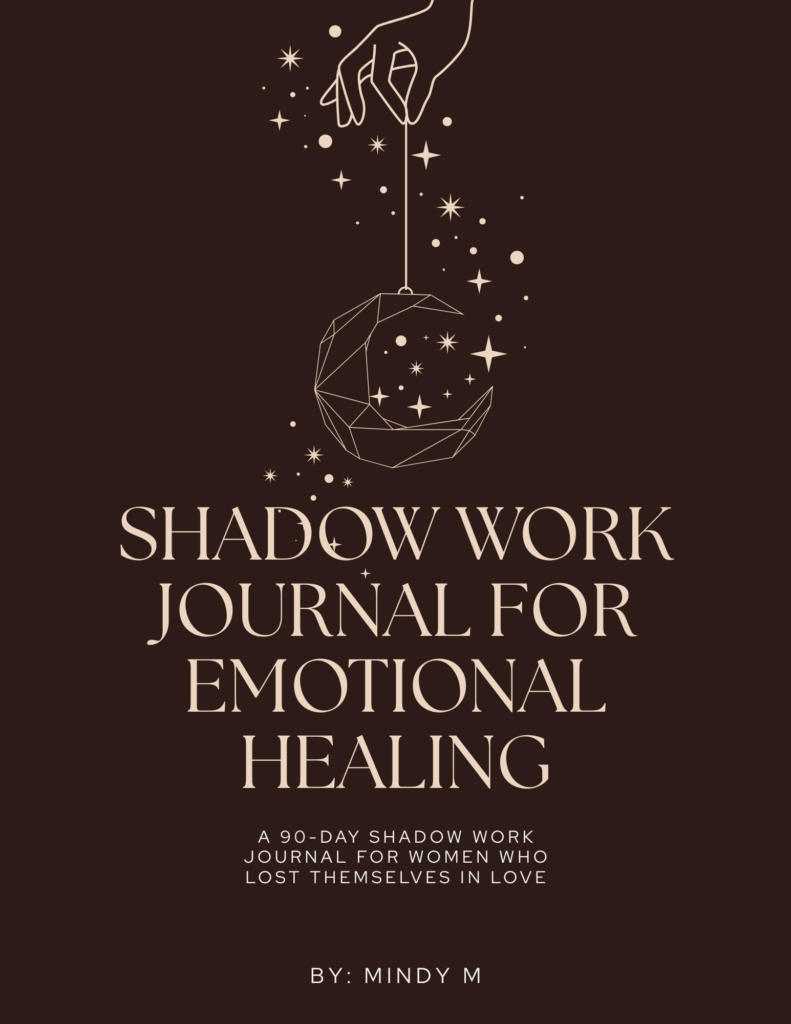
My Shadow Work Journal for Emotional Healing & Breaking Toxic Love Patterns is not about blaming him. It’s about exposing the patterns that keep you choosing emotionally unavailable love, chasing potential, and calling it chemistry.
Inside, you’ll uncover your attachment triggers, trauma bond cycles, and the beliefs that make chaos feel normal.
Because better relationships don’t start with better men.
They start with healed patterns.
Download the free sample when you subscribe.
If you want different love, you have to do different work.